Yesterday I said that staying the same is tantamount to being ignored. So that means that I'm obviously an advocate for change all the time, right? Hold on there, Sparky!
Change for the sake of change has the same net effect as staying the same for the sake of staying the same. You end up overwhelming people's ability to connect with what you are saying and doing. If everything is different every Sunday people will walk in and need to re-orient themselves to the situation.
Change needs to be purposeful. If we know why we're changing things, then others will know too and be more comfortable with the change. For example, changing the seating in a church is a scary thing, but having people sit facing each other to show the power of community in a service focused on community is a change with purpose.
Change needs to be visionary. This is different from being purposeful in that a vision carries one into the future on a trajectory. You can have a purpose for one Sunday, but a vision is where you see the church being in five years and that informs your purpose for what you need to be doing now. So, if you want to move the chairs so they face each other, that's great, but where is this taking your church? What's the vision?
Tuesday, April 06, 2010
Monday, April 05, 2010
The iPad Effect
Ok, I might be mentioning the iPad just because it's big news right now. But why is it big news right now? Partly because it's from Apple and they do a great job of generating a lot of buzz around their products. But a huge reason that the iPad is so noteworthy right now is because it's different.
Our brains are designed to ignore the familiar. This is a defense mechanism that allows us to spot the tiger in the grass and avoid being eaten and to spot the crack our door-frame and avoid being attacked by burglars in our house. If we had to process every piece of information that comes through our senses we would be overwhelmed with data. So, our brain offloads things that are too familiar - the sound of the florescent lights, the smell of the paper mill, the billboards on the way to work - they all fade into the background noise so you can survive.
What happens when church becomes so much background noise? We do the same thing every week. We have the same order (two songs and a prayer anyone?), the same tone, the same people. Sure, the sermon is different and some of the songs are different, but so much is the same.
Is your church just background noise?
Our brains are designed to ignore the familiar. This is a defense mechanism that allows us to spot the tiger in the grass and avoid being eaten and to spot the crack our door-frame and avoid being attacked by burglars in our house. If we had to process every piece of information that comes through our senses we would be overwhelmed with data. So, our brain offloads things that are too familiar - the sound of the florescent lights, the smell of the paper mill, the billboards on the way to work - they all fade into the background noise so you can survive.
What happens when church becomes so much background noise? We do the same thing every week. We have the same order (two songs and a prayer anyone?), the same tone, the same people. Sure, the sermon is different and some of the songs are different, but so much is the same.
Is your church just background noise?
Labels:
apple,
background noise,
brains,
ipad
Friday, April 02, 2010
April Fools (was yesterday)
In case you didn't catch it, my post yesterday about preaching being outlawed in California was a joke. Preaching is still as legal as ever in the US.
To tie this in to preaching a bit, preachers need to have more fun. There, I said it. Preachers have gotten this reputation for being boring, stuffy, and self-righteous. Think of Reverend Lovejoy from "The Simpsons" he's all of those things and more.
Preaching doesn't have to be the domain of the boring scholar. We can have fun and connect with people through humor while maintaining our scholarship and focus on the Word. The two are not mutually exclusive.
To tie this in to preaching a bit, preachers need to have more fun. There, I said it. Preachers have gotten this reputation for being boring, stuffy, and self-righteous. Think of Reverend Lovejoy from "The Simpsons" he's all of those things and more.
Preaching doesn't have to be the domain of the boring scholar. We can have fun and connect with people through humor while maintaining our scholarship and focus on the Word. The two are not mutually exclusive.
Labels:
april fools,
humorous,
reverend lovejoy
Thursday, April 01, 2010
Preaching Outlawed in California
According to a recent California Supreme Court Decision (found here), preaching the gospel is unconstitutional. The first amendment protects free speech, but it also protects the separation of church and state. The court found that anyone registered as a member of a politically party is an extension of the state's government and therefore cannot be compelled to listen to preaching in any form.
This will surely be appealed to the US Supreme Court. Stay tuned for more.
Labels:
April fools
Wednesday, March 31, 2010
What is the point of preaching?
I've been thinking a lot about the point of preaching. I'm not doubting my calling or anything like that. I'm wondering how we could measure the effectiveness of preaching (like I said yesterday). But in order to measure something, it must be defined in some way.
For example, if preaching is supposed to make us understand God's word more, then we would need to come up with a scale of understanding and measure people before and after hearing a sermon. A successful sermon would show an aggregate increase in their understanding score.
But before we get to the scale, we need to start with the purpose. Why do we preach? Why is preaching a central facet of church life? Some people see preaching as an act of teaching, so it should be educational. Others see preaching as a prophetic word from God so it should be convicting (i.e. hell-fire-and-brimstone). Still others see preaching as an inspiring word so the church should be uplifted and encouraged. But others would argue that preaching is for the purpose of evangelism so the sermon should invite the lost into the kingdom of God.
In my experience, we often don't have a clear purpose in mind for preaching so we try to do all of the above and then we end up doing nothing well.
For example, if preaching is supposed to make us understand God's word more, then we would need to come up with a scale of understanding and measure people before and after hearing a sermon. A successful sermon would show an aggregate increase in their understanding score.
But before we get to the scale, we need to start with the purpose. Why do we preach? Why is preaching a central facet of church life? Some people see preaching as an act of teaching, so it should be educational. Others see preaching as a prophetic word from God so it should be convicting (i.e. hell-fire-and-brimstone). Still others see preaching as an inspiring word so the church should be uplifted and encouraged. But others would argue that preaching is for the purpose of evangelism so the sermon should invite the lost into the kingdom of God.
In my experience, we often don't have a clear purpose in mind for preaching so we try to do all of the above and then we end up doing nothing well.
Tuesday, March 30, 2010
Is Preaching Effective?
If you follow this blog, you've noticed that I have been looking a lot at brain science. I'm fascinated by the way the brain works. Recently there has emerged a new field known as neuro-marketing. Researchers use different brain scanning techniques to determine how people respond to different products. Martin Lindstrom wrote a book called Buyology about the topic.
One of the things that researchers are finding is that the results of traditional marketing can vary greatly from what our brains are actually telling us. We may say that we like something in a focus group, but our opinion is formed by group dynamic as much as by whether we like cheesy poofs dipped in chocolate.
So, how do we know if preaching is effective? We could have focus groups where people report on their opinion. We could send out surveys asking questions to determine the state of things. But what if we started using current science to see what's happening in people's brains?
One of the things that researchers are finding is that the results of traditional marketing can vary greatly from what our brains are actually telling us. We may say that we like something in a focus group, but our opinion is formed by group dynamic as much as by whether we like cheesy poofs dipped in chocolate.
So, how do we know if preaching is effective? We could have focus groups where people report on their opinion. We could send out surveys asking questions to determine the state of things. But what if we started using current science to see what's happening in people's brains?
Monday, March 29, 2010
Beyond Bullet Points
I recently read Beyond Bullet Points by Cliff Atkinson. It's a Microsoft sponsored book about how to use PowerPoint and it looks specifically at how to avoid the evil, coma-inducing bullet points.
He has a great thesis that will make every presentation better. Basically, you are dealing with an information bottleneck when you are presenting. You, as the presenter (preacher) have a lot more information to impart than the listener can possibly get at one time. It is just as bad to overload them with information as it is to underload them. Too much and they shut down and don't get what you're saying. Too little and they drift off for lack of engaging structures to help them assimilate the information.
This makes your goal giving just the highlights of your information using a structure that is familiar to your listeners so they have a way to organize what you're telling them. One example that comes up in the book frequently is that of the checklist - a checklist is something that everyone knows about, so you can use it as a template to organize your information so that people can easily grasp it.
Another great take-away from Beyond Bullet Points is the idea of using a story board for your presentation. Before you start building your slides you plot your story arc - you find your characters, conflict, and setting and sketch out where they are and where they are going. If you are familiar with the Lowery Loop, this will be a similar process, but with the visual element added.
Overall, I would recommend what this book has to say. There are a lot of great concepts in here that will be helpful for presenters of any type. However, for preachers, there is a lot to wade through to get to the good stuff. Mostly what will help you is in the first few chapters - after that it gets pretty tedious. This would be a good book to borrow from the library or a friend.
He has a great thesis that will make every presentation better. Basically, you are dealing with an information bottleneck when you are presenting. You, as the presenter (preacher) have a lot more information to impart than the listener can possibly get at one time. It is just as bad to overload them with information as it is to underload them. Too much and they shut down and don't get what you're saying. Too little and they drift off for lack of engaging structures to help them assimilate the information.
This makes your goal giving just the highlights of your information using a structure that is familiar to your listeners so they have a way to organize what you're telling them. One example that comes up in the book frequently is that of the checklist - a checklist is something that everyone knows about, so you can use it as a template to organize your information so that people can easily grasp it.
Another great take-away from Beyond Bullet Points is the idea of using a story board for your presentation. Before you start building your slides you plot your story arc - you find your characters, conflict, and setting and sketch out where they are and where they are going. If you are familiar with the Lowery Loop, this will be a similar process, but with the visual element added.
Overall, I would recommend what this book has to say. There are a lot of great concepts in here that will be helpful for presenters of any type. However, for preachers, there is a lot to wade through to get to the good stuff. Mostly what will help you is in the first few chapters - after that it gets pretty tedious. This would be a good book to borrow from the library or a friend.
Labels:
beyond bullet points,
book review,
cliff atkinson
Friday, March 26, 2010
Images Behind Song Lyrics (Pros and Cons)
I've been wondering why we project pictures behind songs. I can't think of too many good reasons. Maybe to add some variety so it's not too boring looking. Maybe an image will really illustrate part of the song. What am I missing?
However, I can think of a bunch of reasons to NOT put pictures behind song lyrics. It's distracting. It makes the words hard to read at times. More often than not, there is a weak connection between the pictures and the song lyrics.
I'm open, though. Convince me. Why should we put pictures behind song lyrics?
Thursday, March 25, 2010
A New Definition of Insanity
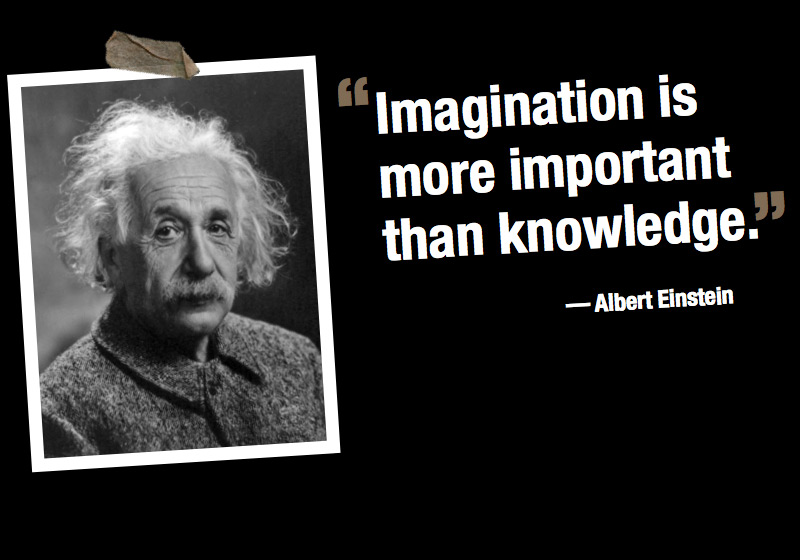
I often hear Einstein's definition of insanity. But I recently heard a different take on the issue.
Shaffi Mather said: "We are insane people trying to do an impossible task; we're insane, though, so we don't know it's impossible."
What would you try to do if you didn't know it was impossible?
Labels:
einstein,
impossible,
insanity,
shaffi mather
Wednesday, March 24, 2010
Metaphorical Meaning
I recently listened to a presentation on the power of metaphor by James Geary. He shared that metaphor is the place where what we know overlaps with what we've experienced.
When Shakespeare has Romeo say: "Juliet is the sun" we take our sun-knowledge and see how it might fit to describe Juliet. Where they overlap is where the metaphor has power.
The thing is that we instinctively create connections between things. We are constantly constructing metaphors - Geary said that we use as many as six a minute.
Visuals can build a powerful metaphor for preaching. Even a visual as simple as the one above. I drew a simple diagram to illustrate my point and by its simplicity it offers a dissonance with the subject matter. A Venn diagram illustrating the metaphor usage in one of the most poetic passages in all of English literature is a bit ludicrous. That's what makes it so effective - all of those thoughts and feelings come together and make my point for me.
How do you use metaphor when you preach?
When Shakespeare has Romeo say: "Juliet is the sun" we take our sun-knowledge and see how it might fit to describe Juliet. Where they overlap is where the metaphor has power.
The thing is that we instinctively create connections between things. We are constantly constructing metaphors - Geary said that we use as many as six a minute.
Visuals can build a powerful metaphor for preaching. Even a visual as simple as the one above. I drew a simple diagram to illustrate my point and by its simplicity it offers a dissonance with the subject matter. A Venn diagram illustrating the metaphor usage in one of the most poetic passages in all of English literature is a bit ludicrous. That's what makes it so effective - all of those thoughts and feelings come together and make my point for me.
How do you use metaphor when you preach?
Labels:
dissonance,
James Geary,
metaphor,
Romeo and Juliet,
Shakespeare
Tuesday, March 23, 2010
Social Media and Ministry
There's a lot of pressure to be connected to social media today. Sites like Facebook are very popular (it recently passed Google as the most viewed site) and it's important for churches and ministers to be connected here. But I've found that there's a real lack of understanding that keeps churches from being effective in social media. This is not an online newsletter - people can comment and connect in new ways.
Some thoughts:
- Don't take yourself to seriously. Have fun. Engage people in a real, friendly manner.
- You can't control what happens all the time. The best case scenario is for you to lose control and for people to be having their own conversations on your Facebook page. Don't fight it.
- Everyone is equal online. Just because you're the preacher, don't expect to have an more rights than anyone else.
- The goal is not to be heard, but to transform the hearers.
A specific case comes to mind here. Recently I posted a status about women's shoes and I got a bunch of comments. A friend of mine (also a minister) lamented that people would comment about shoes, but not about godly topics. So I followed up the next day with a status about religious conversations - I got almost as many comments as the shoe status. The difference between what I asked and a lot of Christian content on Facebook is that I ask questions instead of stating a position. You won't be able to transform you hearers unless they are engaged in the process. Positional statements and citing Scripture without offering questions will kill engagement.
Monday, March 22, 2010
We Need Each Other (Healthcare riff)
In the Ted.com talk below Jonathan Haidt talks about the differences between liberal and conservative by looking at 5 different moral traits. There are some different traits that lead us to think, act, and vote in different ways. But when we don't engage in dialog with other viewpoints we are trapped. We calcify our point of view and we cannot conceive of change. Basically we're trapped in a world of our own creation - similar to the Matrix.
But what if you wanted to see this world get better? We need each other. Liberals are good at being open to change and seeking the needs of the marginalized. Conservatives are good at being guarding the path to make sure we don't go too far and advocating for the rights of established people. We need both! We need to help the marginalized but not to the detriment of the established. We need to be open to change, but not so quickly that we leave everything that's familiar behind us.
We desperately need each other. Can we please stop fighting and just talk about this? Please!
But what if you wanted to see this world get better? We need each other. Liberals are good at being open to change and seeking the needs of the marginalized. Conservatives are good at being guarding the path to make sure we don't go too far and advocating for the rights of established people. We need both! We need to help the marginalized but not to the detriment of the established. We need to be open to change, but not so quickly that we leave everything that's familiar behind us.
We desperately need each other. Can we please stop fighting and just talk about this? Please!
Labels:
conservatives,
healthcare,
liberals,
obama,
TED
Friday, March 19, 2010
Embrace Your Inner Girl
Ok, I've been watching a lot of TED lately. The one below is amazing. It's Eve Ensler's plea that the world stop suppressing the girl within all people and begin to embrace her. Even men.
Wait, what? Yes, even men have an inner girl - the part that is sensitive and compassionate, the part that sees the power of relationships before the power of authority. We haven't listened to the feminine voice within the church and we are guilty. We need to repent for the sin of obscuring half of God's creation, half of God's image in this world. If we really believe that humanity is created in the image of God, then femininity is half of that image.
Why don't we preach on the nurturing care of God? The mother-love language that God employs when he says he wants to gather Israel like a mother hen gathers her chicks? The feminine vision of wisdom found in Proverbs - God's wisdom personified in a woman.
If we could preach with the power and the passion of Eve Ensler . . . well, let's just say that the world would be a better place.
Wait, what? Yes, even men have an inner girl - the part that is sensitive and compassionate, the part that sees the power of relationships before the power of authority. We haven't listened to the feminine voice within the church and we are guilty. We need to repent for the sin of obscuring half of God's creation, half of God's image in this world. If we really believe that humanity is created in the image of God, then femininity is half of that image.
Why don't we preach on the nurturing care of God? The mother-love language that God employs when he says he wants to gather Israel like a mother hen gathers her chicks? The feminine vision of wisdom found in Proverbs - God's wisdom personified in a woman.
If we could preach with the power and the passion of Eve Ensler . . . well, let's just say that the world would be a better place.
Labels:
eve ensler,
inner girl,
TED
Thursday, March 18, 2010
Flow
If you haven't heard of TED yet (you must not read my blog very often) you need to. TED is all about ideas worth sharing and they come from all walks of life. In the talk below Mihaly Csikszentmihalyi (you try and pronounce it) shares from his research about what it takes to make us happy.
The whole talk is good (just under 20 minutes), but one thing stood out to me that I wanted to share with you. His research shows that humans can only absorb about 110 bits of information at one time (a stream of data like body language, words being spoken, smells, feelings of hunger, etc.). Paying attention to a person speaking requires about 60 bits of information, so we can't pay attention to two speakers at once (not fully, at least).
But if we are only speaking, then we are leaving 50 bits of information unused. Those bits are going to go to something - like a feeling of hunger or noticing the cute girl down the row. For every bit we leave un-engaged, we are losing impact for our message.
Keep people visually engaged through media and keep them mentally engaged through inductive preaching. I dare you.
The whole talk is good (just under 20 minutes), but one thing stood out to me that I wanted to share with you. His research shows that humans can only absorb about 110 bits of information at one time (a stream of data like body language, words being spoken, smells, feelings of hunger, etc.). Paying attention to a person speaking requires about 60 bits of information, so we can't pay attention to two speakers at once (not fully, at least).
But if we are only speaking, then we are leaving 50 bits of information unused. Those bits are going to go to something - like a feeling of hunger or noticing the cute girl down the row. For every bit we leave un-engaged, we are losing impact for our message.
Keep people visually engaged through media and keep them mentally engaged through inductive preaching. I dare you.
Labels:
communication,
TED,
thought
Wednesday, March 17, 2010
Neural Pathways in the Church
A little bit ago we talked about how the brain is changing, and some ramifications that might have for preaching. You might remember that within the brain are neural pathways that connect your brain cells together so that you can think something or do something. The more often you think or do something, the larger and stronger that pathway becomes. This is the physiological root of habits and skills.
But the same phenomenon happens in churches. The more we think or do something the easier it is to continue to think and do the same things. This is, in part, due to the combined neural pathways of all the people involved. Basically, the less a church changes, the harder it will be for a church to change.
This is why emerging leaders often don't have a place to serve - it's easier to ask the same people to do the same things again. This is why the carpet is still from 1984, it's easier to just leave it the way it is.
Is this why you aren't using PowerPoint when you preach? Is it just easier to avoid change?
But the same phenomenon happens in churches. The more we think or do something the easier it is to continue to think and do the same things. This is, in part, due to the combined neural pathways of all the people involved. Basically, the less a church changes, the harder it will be for a church to change.
This is why emerging leaders often don't have a place to serve - it's easier to ask the same people to do the same things again. This is why the carpet is still from 1984, it's easier to just leave it the way it is.
Is this why you aren't using PowerPoint when you preach? Is it just easier to avoid change?
Labels:
brains,
change,
change agent,
philosophy
Tuesday, March 16, 2010
Communicator Focused vs. Recipient Focused
I was recently listening to a podcast by Mark Driscoll of the Mars Hill Church in Seattle. He was talking about the power of preaching and how to tell a good preacher. He said that the difference is if the sermon is communicator focused or recipient focused. The former is when the preacher feels good about the sermon preached. The latter is when the church is transformed by the sermon.
Mark said that he measures the effectiveness of a preacher or teacher through the transformation of the listeners. That's huge. Too often we want to be our own judges as we preach - some of us will go so far as to ask our wife what she thought. But, if we're honest, most of us just take the compliments we receive after church at face value. "Nice sermon." "Good lesson." "Thanks for sharing."
What if we had an anonymous survey that asked, not if people liked the sermon, but if they have applied the principles that were preached?
Would this change your use of media in your preaching? If the focus is on the church, shouldn't we do everything we can to communicate to them in transformational ways?
Mark said that he measures the effectiveness of a preacher or teacher through the transformation of the listeners. That's huge. Too often we want to be our own judges as we preach - some of us will go so far as to ask our wife what she thought. But, if we're honest, most of us just take the compliments we receive after church at face value. "Nice sermon." "Good lesson." "Thanks for sharing."
What if we had an anonymous survey that asked, not if people liked the sermon, but if they have applied the principles that were preached?
Would this change your use of media in your preaching? If the focus is on the church, shouldn't we do everything we can to communicate to them in transformational ways?
Labels:
communication,
mark driscoll,
preaching
Monday, March 15, 2010
Beware the Ides of March
Did you know that every month had an 'ides'? Most of the time we get so focused on the Ides of March made famous in Julius Caesar by Shakespeare that we don't even think about the fact that the ides is the middle of a lunar month and so corresponds with the full moon.
Often our language gets so wrapped up in our particular context that we don't even think about other meanings and possibilities. When we do this as Christians, we risk leaving people out and confusing them. We live in a post-Christian culture that doesn't know what a testimony is or a sacrament. They might be really confused if you tell them to meet you in the vestibule or the narthex.
We invite people to experience something new and different, but we need to guide them on that journey.
Friday, March 12, 2010
Your Focus Determines Your Reality
I was listening to Will Mancini on a podcast from Rev Magazine yesterday. First, let me say, these are voices that you need to hear - they are saying some good and important stuff for church and ministry.
Will was sharing about what makes a church grow or decline. The one, major issue that Will has identified as a difference between growing and declining churches is that growing churches develop leaders. He said that there are three different modes in which we can function: technician, manager, and leader. A technician does the work, a manager makes sure the work is done, and a leader empowers people.
How are you developing leaders in your ministry? Are you a technician in your preaching - is it just a job to get done? Or are you a leader where you empower others to preach and teach too?
It's great if you are an exciting, engaging speaker, but how are you building up the next generation of leaders to do the same?
Labels:
leadership,
purpose,
will mancini
Thursday, March 11, 2010
Dave Ramesy up Your Sermons
My wife and I are fans of Dave Ramsey. He's a speaker, author and talk show host that advocates budgeting and getting out of debt. He's been selling out arenas all over the country.
If you don't know who Dave Ramsey is, you might think that sounds weird. He sells out stadiums talking to people about finances - and telling them to do hard things like cutting up their credit cards and getting out of debt.
There are a bunch of financial guys and they aren't popular and even though my wife and I read their books, we still had a hard time following their advice. The difference isn't in the information, but in the inspiration (something Dave said recently).
People don't change just because they receive better information. They won't believe just because your sermon is the most exegetically sound. People change because they are given better information and they are inspired to do something about it. Dave cuts up credit cards on stage and shows the stories of people who have gotten out of debt. How can your sermon inspire people?
If you don't know who Dave Ramsey is, you might think that sounds weird. He sells out stadiums talking to people about finances - and telling them to do hard things like cutting up their credit cards and getting out of debt.
There are a bunch of financial guys and they aren't popular and even though my wife and I read their books, we still had a hard time following their advice. The difference isn't in the information, but in the inspiration (something Dave said recently).
People don't change just because they receive better information. They won't believe just because your sermon is the most exegetically sound. People change because they are given better information and they are inspired to do something about it. Dave cuts up credit cards on stage and shows the stories of people who have gotten out of debt. How can your sermon inspire people?
Labels:
dave ramsey,
inspiration
Wednesday, March 10, 2010
Question Day
I know this is cheap, but I was called in for a temp job and I don't have much time to post.
On Monday I looked at how PowerPoint has been criticized for not being prophetic. What do you think? Does using visuals preclude preaching with a prophetic voice? Is it an all or nothing proposition?
Duke it out in the comments!
On Monday I looked at how PowerPoint has been criticized for not being prophetic. What do you think? Does using visuals preclude preaching with a prophetic voice? Is it an all or nothing proposition?
Duke it out in the comments!
Labels:
questions and answers
Tuesday, March 09, 2010
A Powerful Presentation
I got to hear a great presentation from Ken Shackelford recently. He was speaking about the Jade Tree Project and the struggles of his son and the faithfulness of the Father through it all.
What I want to highlight for this blog is that he did a great job of using visuals to augment and enhance his sermon without being constrained or limited by his presentation. There were some technical difficulties, but he connected with the A/V guy and smoothly moved on. He knew his material well enough to just flow with it. He also deeply engaged with the audience emotionally through a dramatic reading of Psalm 22 and a transparent telling of his story.
I was transported through his presentation. The lines between us blurred and the lines between me and the text blurred. This was no rigid thing - there were no bullet points, but rather there was connection and feeling - facilitated by a great use of images in preaching (using Keynote if you were curious).
Great job, Ken.
What I want to highlight for this blog is that he did a great job of using visuals to augment and enhance his sermon without being constrained or limited by his presentation. There were some technical difficulties, but he connected with the A/V guy and smoothly moved on. He knew his material well enough to just flow with it. He also deeply engaged with the audience emotionally through a dramatic reading of Psalm 22 and a transparent telling of his story.
I was transported through his presentation. The lines between us blurred and the lines between me and the text blurred. This was no rigid thing - there were no bullet points, but rather there was connection and feeling - facilitated by a great use of images in preaching (using Keynote if you were curious).
Great job, Ken.
Labels:
Ken Shackelford,
keynote,
presentaions
Monday, March 08, 2010
Prophetic Preaching and PowerPoint
Over at Alpha Omega Ministries they recently blogged about how preaching with PowerPoint is not prophetic and is not in line with good expository preaching. Here's an excerpt
The thing is, I agree with what they are saying. Bullet-point sermons (whether they use PowerPoint, Keynote, or bulletin inserts) are generally boredom inducing. But let's not blame the software for the failings of the preacher. It is possible to preach using PowerPoint in a way that is compelling, emotional, and prophetic.
They go on to cite John Piper who preaches without the use of PowerPoint. Piper is a great preacher with years of experience and he is able to paint a vivid picture with his words. But he's wrong. Images projected can elicit feelings in a new way. At least a third of your audience is comprised of visual learners - they get bored by your talking (not to mention the kinesthetic learners who are going out of their minds).
Stop blaming PowerPoint for your lack of ability. If you preach prophetically, then you will with PowerPoint as well.
I simply do not find sermons supplemented with Powerpoint conducive to the qualities of soul-grabbing, prophetic, anguishing preaching.
I think it is safe to say that the main reason why pastors who use PowerPoint is to induce a bullet-point memory in their congregants. But that goal sets the bar too low for God's people. Preaching requires much higher demands on its people. In addition, there is just something about a cold, large projector screen vying attention away from the flesh and blood countenance of the pastor that diminishes my reflective soul to hearing God's Word. And I do not have a short attention span, so I cannot imagine the affect on those who do.
The thing is, I agree with what they are saying. Bullet-point sermons (whether they use PowerPoint, Keynote, or bulletin inserts) are generally boredom inducing. But let's not blame the software for the failings of the preacher. It is possible to preach using PowerPoint in a way that is compelling, emotional, and prophetic.
They go on to cite John Piper who preaches without the use of PowerPoint. Piper is a great preacher with years of experience and he is able to paint a vivid picture with his words. But he's wrong. Images projected can elicit feelings in a new way. At least a third of your audience is comprised of visual learners - they get bored by your talking (not to mention the kinesthetic learners who are going out of their minds).
Stop blaming PowerPoint for your lack of ability. If you preach prophetically, then you will with PowerPoint as well.
Labels:
John Piper,
PowerPoint,
prophetic preaching
Friday, March 05, 2010
The Once and Future Brain #5
This whole week we've been looking at the way that the internet has changed our brains and what that means for communication and preaching (you can catch up here: 1, 2, 3, 4).
I want to end the week by bringing the conversation back around to the main point of this blog - visual communication is essential for reaching the people of the internet generation.
The history of our communication has, in some ways, come full circle. We started as pre-literate people who used story and image to communicate - the cave drawings found all over the world attest to this. Eventually we developed written language and that drastically changed our brains and our world - images were still very important for the illiterate (90% or more of the population). Then the printing press came and made words cheap, but images stayed expensive, we shifted away from images and focused on words. Now with the internet changing communication again, images are storming back to the front.
If you want to communicate with people who have grown up with the internet, an information rich environment where images and audio combine with text, then you need to use information rich means. The other option is losing them - they won't pay attention to a talking head. This isn't because they're young, this is because their brains are drastically different. This isn't a fad that will go away in time - this is as significant as the printing press. You must change or you will become irrelevant.
Am I wrong?
I want to end the week by bringing the conversation back around to the main point of this blog - visual communication is essential for reaching the people of the internet generation.
The history of our communication has, in some ways, come full circle. We started as pre-literate people who used story and image to communicate - the cave drawings found all over the world attest to this. Eventually we developed written language and that drastically changed our brains and our world - images were still very important for the illiterate (90% or more of the population). Then the printing press came and made words cheap, but images stayed expensive, we shifted away from images and focused on words. Now with the internet changing communication again, images are storming back to the front.
If you want to communicate with people who have grown up with the internet, an information rich environment where images and audio combine with text, then you need to use information rich means. The other option is losing them - they won't pay attention to a talking head. This isn't because they're young, this is because their brains are drastically different. This isn't a fad that will go away in time - this is as significant as the printing press. You must change or you will become irrelevant.
Am I wrong?
Labels:
brains,
communication,
internet,
philosophy
Thursday, March 04, 2010
The Once and Future Brain #4
So this week we have been looking at the way that our brains have changed due to the internet.
One of the major things that has changed is the trust that people place in what they see and hear. We are becoming more and more skeptical all the time. In a way, it's a defense mechanism. We are surrounded by advertisements all the time - if we didn't develop filters to allow us to sort out the good from the bad, we would buy everything and be broke.
We need some skepticism to survive in this brave new world, but that has a huge impact on how we can communicate the gospel. See, if we try to be the authority on the bible, people's skeptical walls will go up. They've been told by three out of four dentists to buy every kind of toothpaste ever made. Positional authority is almost meaningless in convincing people of anything. We have developed broad neural pathways of skepticism and so hearing that something is truth because an authority figure says so, will always be met with doubt.
We need to look at cultivating a relational authority with people. Basically, people trust their friends, so in order for people to trust us, we need to be their friends. We need to tear down the barrier that divides us from the people to whom we're preaching. We need to open the door into our lives and invite them in to see a gospel that isn't true because of our seminary degree, but it's true because it works for us. It works for their friends, and they trust their friends a lot more than dentists.
One of the major things that has changed is the trust that people place in what they see and hear. We are becoming more and more skeptical all the time. In a way, it's a defense mechanism. We are surrounded by advertisements all the time - if we didn't develop filters to allow us to sort out the good from the bad, we would buy everything and be broke.
We need some skepticism to survive in this brave new world, but that has a huge impact on how we can communicate the gospel. See, if we try to be the authority on the bible, people's skeptical walls will go up. They've been told by three out of four dentists to buy every kind of toothpaste ever made. Positional authority is almost meaningless in convincing people of anything. We have developed broad neural pathways of skepticism and so hearing that something is truth because an authority figure says so, will always be met with doubt.
We need to look at cultivating a relational authority with people. Basically, people trust their friends, so in order for people to trust us, we need to be their friends. We need to tear down the barrier that divides us from the people to whom we're preaching. We need to open the door into our lives and invite them in to see a gospel that isn't true because of our seminary degree, but it's true because it works for us. It works for their friends, and they trust their friends a lot more than dentists.
Labels:
brains,
communication,
internet,
philosophy
Wednesday, March 03, 2010
The Once and Future Brain #3
We're continuing to talk this week about how the changes in communication affect our brains and our brains affect our communication.
Yesterday we talked about how our brains are physically different due to the information we process and the way we process information.
There are some fairly huge implications from this. Put simply, the internet is changing our brains. On Monday I mused that the changes hitting us that have been called a philosophical shift (postmodernism) might, in fact, be something deeper and more fundamental.
See, this isn't the first time all this has happened. Along about 570 years ago some dude named Gutenberg got a bright idea and started printing stuff (HP promptly sued him for patent rights). Because of the shift in the way that the written word was available people's brains started changing. Words that were once rare and expensive to copy by hand were now being printed by the thousands and millions. It used to be that in order for text to be disseminated one had to have good ideas and the financial backing to pay for scribes to copy that idea. The printing press changed all that - words became exponentially cheaper and so more people could exchange ideas. One of the results of this was the Enlightenment, another was the Protestant Reformation. People's brains worked differently and that led them to different thoughts and to different actions and that changed the world forever.
Now words are free - anyone can post a blog about anything. Words are fast - if we have to wait for our information we get angry. Words are ubiquitous - we have to filter out most of the information we receive. Words are superfluous - most of the information we receive is in non-verbal channels.
What other changes do you see happening because of the internet?
Labels:
brains,
internet,
philosophy
Tuesday, March 02, 2010
The Once and Future Brain #2
This week we're looking at the changes that are happening in our communication and how that is changing everything.
So, yesterday we looked at the concept that everything is changing. The world of fifty or even twenty years ago is gone - the way we process information and interact with each other is vastly different. But why?
The picture to the right is an image of neural pathways - the connections made by our brain when ever we use it for anything. A neural pathway is the connection between neurons in our brain. When we're born we have very few neural pathways, but as we experience things we develop new pathways and each time we experience the same thing again that pathway becomes bigger and stronger. Think of it like a trail - the first time you have to blaze the trail, you cut your way through the forest and get where you're going. But if you walk that same path a dozen times, there will be a trail there. If you walk a hundred times, there will be a path. If you keep walking, packing down the dirt and widening the path, eventually you'll have a road.
Our brains are formed like this from the cradle. We make some paths, we abandon others (which, if not used, will soon be overgrown again), and that's what is physically happening when we learn and grow. So the way that we deal with information becomes as important as the information. If we read a story that creates one set of neural pathways, but if we see the movie it creates a different set of pathways.
You might wonder why it can be difficult for people to adopt a new system (think learning to use the new version of Windows or Office) - it's because the neural pathways for the old system are so firmly established that our brains resist change - it's far easier to use the road than to blaze a trail. So if your pathways were created by reading books in a library, your brain wants to treat the internet like books in a library. But if you're brain learned to read on the internet you are more likely to treat books like the internet than vice versa.
Did you catch all that? What I'm saying is that the internet and electronic communication make it so the brains of younger people are literally different from those of older people. The brains of people who are online a lot are very different from those who are rarely online.
So what does that mean? Stay tuned . . .
Labels:
brains,
internet,
philosophy
Monday, March 01, 2010
The Once and Future Brain #1
This week I want to look at some of the philosophical issues involved in preaching to the next generation.
I have been told that the age of the Enlightenment is dead. We have moved beyond the philosophy that reason will allow us to know all things to . . . something else. In Christian circles it’s being called post-modernity, but that title is already claimed by artists and philosophers. It is post- Enlightenment, post- rationalism, post- imperialism, and post- most other things as well. Really, what it boils down to is a rejection of the way things have been for about the last five centuries.
But I’ve also been told that all this post- junk is just a phase. It’s a trend that will fade away along with every other trend that has claimed to be the rebirth of the church. There is always a group that is looking for the next big thing, the next trend to follow. And that group usually can’t see beyond the scope of what they are doing right now. If church with candles is the trend, they will try to explain how church with candles is the only way to do church. Mostly they are defending a trend and will move on to the next trend before too long.
What if they’re both wrong? Or what if they’re both right? I do think that our world is shifting in some radical and fundamental ways that go beyond a mere trend. But I think that the window dressing that has been put on churches that claim to be post-modern is going to go out of style like leg-warmers and jean jackets.
There’s something big going on here, bigger than most people realize. We are in the midst of some changes that have only happened three times before in the history of the world. This change will transform not only our churches and our culture, but also our brains. There is nothing we can do to stop this change. If we ignore it, we will be left behind, but if we embrace it and anticipate it, we have the potential to translate the Good News into the language of the next generation.
Labels:
brains,
change,
enlightenment,
philosophy,
postmodernism
Friday, February 26, 2010
Just Keep Plowing
Donny Mills (a.k.a. Donald Miller) blogged recently about God and Farming and Max Lucado. No, there's a connection, really. Don talked to Max about some future possibilities and got some advice about a career in writing. He also talked to Rick McKinley about church planting and what it takes to be successful.
The answer from both was basically: keep plowing the field God has given you. Keep working. Keep going. Sometimes it feels like you will be passing up bigger and better things. Sometimes it will feel like you are wasting your time. Keep plowing.
As you practice the craft of preaching, sometimes it can be frustrating, people don't seem to respond or they don't get what you're saying. Keep plowing. It can feel like a waste to keep looking for ways to improve. Keep plowing.
I needed to hear that. Did you?
Labels:
advice,
Don Miller,
persistence
Thursday, February 25, 2010
Billy Did Good
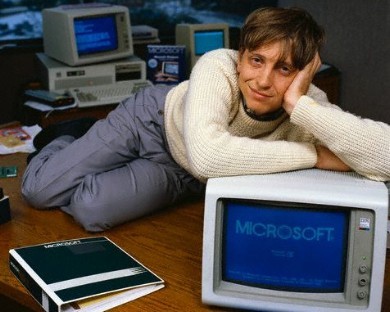
It wasn't too long ago that Bill Gates was known as a terrible presenter. But something has changed. He retired from Microsoft, so he probably has some more time on his hands. He's now focusing his energy on philanthropic efforts, so maybe he has more passion behind what he's saying. But whatever the reason, Bill is better.
The presentation below is one that he gave recently at this year's TED conference, and it blows away all of his previous stuff. Now it's not some slick presentation that would make you think that Mr. Gates made a robot double to take care of his speaking engagements. You still see Bill and his personality, but that becomes a strength instead of a weakness.
His images are clear and powerful. He simply explains some pretty complicated stuff. And he connects with the audience.
The lesson here is that if Bill Gates can get better, so can you. It takes work, passion, and time, but you too can be cool like Bill Gates.
The presentation below is one that he gave recently at this year's TED conference, and it blows away all of his previous stuff. Now it's not some slick presentation that would make you think that Mr. Gates made a robot double to take care of his speaking engagements. You still see Bill and his personality, but that becomes a strength instead of a weakness.
His images are clear and powerful. He simply explains some pretty complicated stuff. And he connects with the audience.
The lesson here is that if Bill Gates can get better, so can you. It takes work, passion, and time, but you too can be cool like Bill Gates.
Labels:
bill gates,
improvement,
practice,
presentations,
TED
Wednesday, February 24, 2010
A Rolling Stone Gathers too Many Cooks or Something
Last week there was some talk around the water cooler about how to effectively use clichés in presentations. Seth Godin relates the fascinating story of the origin of clichés - in the early days of the printing press in France they would cast oft used phrases as one piece to save the time of setting the type letter by letter. They called those blocks of text clichés.
Now we think of them as something to be avoided, but Seth points out that perhaps we can use them still: "The effective way to use a cliché is to point to it and then do precisely the opposite. Juxtapose the cliché with the unexpected truth of what you have to offer."
Slides that Stick picked up the theme for the visual side of things. Pointing out that there are some cliché images that show up too often. There's even a blog about them. Some images are so over-used that they lose their power - unless you change up people's expectations. A juxtaposition can be a powerful mnemonic device.
Now we think of them as something to be avoided, but Seth points out that perhaps we can use them still: "The effective way to use a cliché is to point to it and then do precisely the opposite. Juxtapose the cliché with the unexpected truth of what you have to offer."
Slides that Stick picked up the theme for the visual side of things. Pointing out that there are some cliché images that show up too often. There's even a blog about them. Some images are so over-used that they lose their power - unless you change up people's expectations. A juxtaposition can be a powerful mnemonic device.
Labels:
cliché,
seth godin,
slides that stick
Tuesday, February 23, 2010
Digging up the Past
Recently I was Googling around and found an old article in the Christian Chronicle where David Fleer talked about using PowerPoint in preaching. I took notice because he is an experienced and studied preacher that is training other preachers.
I've heard him speak before and he is a master of his craft. Because of that I was disappointed to read his words:
I might offer a different perspective from Dr. Fleer. PowerPoint presentations that rely on bullet points (no matter how snazzy), are not appropriate for preaching, true, but that is not the limit to the use of PowerPoint. Using images in a way that corresponds with the words being spoken can amplify the impact and do more to change lives. A good presentation is one that flows so seamlessly with the words that the savvy of the preacher is not noticed at all.
What do you think?
I've heard him speak before and he is a master of his craft. Because of that I was disappointed to read his words:
PowerPoint is a great tool for the classroom. I welcome to my non-homiletic classrooms attractive and memorable PowerPoint presentations. (I have discovered, however, that a D student still creates D presentations, even with the snazziest PowerPoint bullets.)
PowerPoint can be an excellent teaching tool. But sermons are meant to do more than teach... PowerPoint works against us, underscoring the preacher’s technological savvy and limiting the experience to learning material (while leaving lives unchanged).
I might offer a different perspective from Dr. Fleer. PowerPoint presentations that rely on bullet points (no matter how snazzy), are not appropriate for preaching, true, but that is not the limit to the use of PowerPoint. Using images in a way that corresponds with the words being spoken can amplify the impact and do more to change lives. A good presentation is one that flows so seamlessly with the words that the savvy of the preacher is not noticed at all.
What do you think?
Labels:
Christian Chronicle,
David Fleer,
preaching
Monday, February 22, 2010
Something Old, Something New
A while ago, Garr Reynolds blogged about the "death of PowerPoint" and looked at how much damage PowerPoint has done in it's short history.
Suggesting we abandon PowerPoint because it's often (usually?) misused and abused to produce awful presentation visuals is like saying we should dump the idea of 24-hour cable news because so much of it is vacuous rubbish. But whether we’re talking about bad TV or boring presentations, shouldn't we blame the content producers not the content medium?
However, PowerPoint often makes it easy to produce mind-numbing slides. It's basic layout and design structure practically beg you to use bullet points to share your information. The problem isn't the tool, but the tool definitely contributes to the problem.
I usually ignore all of the "helpful" suggestions that the software throws at me.
How about you?
Labels:
Garr Reynolds,
PowerPoint,
presentation zen
Friday, February 19, 2010
Photo Gathering and Editing #5
Having a great photo is the first step, but now you need to put that photo into your presentation.
This is one place where the rules are just guidelines. If you spend some time looking at really good presentations you will see some trends emerge.
Use more images and less text. Have your images take up the whole slide or a great deal of the slide. For some reason PowerPoint thinks you should put your images in a frame within the slide. PowerPoint is wrong. You should expand your image so it fills the whole slide in most cases. Then if you need some text to explain what's going on - use just a few words.
Basically, you should work to have your images speak for themselves as much as possible.
Labels:
photos,
PowerPoint,
presentations,
tips and tricks
Thursday, February 18, 2010
Photo Gathering and Editing #4
If anything is more difficult than taking good photos, it might be editing photos. It seems like there is a whole language about editing that is foreign and confusing. I must confess that I am quite the novice in editing, but I'm learning more all the time.
There are a lot of different things you can do with photo editing. Most of what you will need to do is pretty simple - crop, lighten, darken, or maybe delete an area. The good news is that stuff is available in free and easy software all over the place. You can do all that right inside PowerPoint 2007 (and word on the street is that 2010 is going to have even more options). So for the very basic stuff, don't stress, just grab a free piece of software (or do it in PowerPoint) and crop away.
But if you have something that you want that just doesn't exist with the photos that you've seen, you might want to look at doing some hardcore editing. I created a new logo for this site with some photo editing software called Paint.Net - it is powerful and free versus Photoshop which can be over $500 for the full version.
The key to learning to do more advanced photo editing is to take your time. Any good software will let you undo anything you do (as far back as you want to go).
I was able to take these two images and combine them into a logo for this site. It took me all afternoon and part of the next day, but I finally got it to where I like it.
I'll tell you more about that later, though.
Labels:
photo editing,
photos,
tips and tricks
Wednesday, February 17, 2010
Photo Gathering and Editing #3
Taking Good Photos
Taking good pictures is a difficult job. There's a reason that we pay professionals to take pictures for us - they have the time and training to think about lighting, framing, composition, f-stop, mega-pixels, and all the other photo-type-stuff involved in snapping great images.
But there are a few things you can do to snap some great shots of your own.
1. Lighting - there are a couple issues involved in lighting a picture well. First, think about the source of the light - is it behind your subject or in front of your subject? Usually it's a good idea to take a picture where your light is in front of your subject. Also think about the amount of light - a dark scene can be hard to see, but a flash might wash out the details. Some cameras have an intelligent mode that will detect a scene with difficult lighting and take two pictures, one with and one without the flash.
In the picture of the mountain I framed the horizon of the sky in the top third and the edge of the meadow in the bottom third and the peak of the mountain in the right third. I think in turned out nicely.
3. Cropping - one of the best things about digital photography is that you can take a bunch of shots and not have to worry about wasting film and then when you get home you can fix any mistakes you made. Learning how to crop well can cover a multitude of photographic sins. You can fix your composition with a good crop or change a picture from a nice shot to a great shot.
One thing to consider when taking pictures that you might use in your presentations is that you want a descent amount of "white space" which just means empty space not filled up with something. In the pictures below you can see two crops - one emphasizes the flower, the other leave a lot of empty space. The second crop is a lot better for PowerPoint because it leaves you a lot more room to work with if you want to insert text.
Labels:
photography,
photos,
tips and tricks
Tuesday, February 16, 2010
Photo Gathering and Editing #2
On today's episode, we will look at how to find good photos online. This is something that I've covered a few times in the past, but it's important. In one of my first posts I highlighted the great list over at Presentation Zen, that gives links to several places to find photos online.The problem is that it can be very difficult to find the right image for what you are trying to communicate. Just opening up Google Images to search is fine, but if you just type in 'Jesus' you are likely to have a hard time narrowing it down to the point you want to make.
In this case, using some good communication principles can be very helpful. The principles will help you to weed out the bad images and focus in on the good images.
1. Visual communication adds to your presentation. The adding can be emotional or informational, but your best bet is to stick to the emotional side of things. The important thing here is that your image should say the same thing as your words, but in a different way. Maybe your words are a exegeting the text - your image can be a metaphor for your point. Ask yourself: what image will add emotion to the point that I'm trying to make?
2. Images should dwell in the cognitive gap that lies between the speed of speaking and the speed of thinking. Images need to offer people something to think about while you are speaking that will point them back to what you are saying. In the past people dealt with this gap by taking notes or reading the bible passage in question, but now very few people do that. It's important to not distract with an image - if you do, then they will think about something other than your sermon. Ask yourself: where is my point coming from and where is it going? You can use images to get people thinking toward your next point.
3. Less is more. Often I'm tempted to try and do too much with my pictures. I want to illustrate every point and highlight every nuance of the sermon. But if I do that I end up overloading the church and overworking myself. Too much information will lead to poor communication just as too little will. I typically have three to five images in my sermon. Sometimes I will use a blank slide in between to bring the focus back to what I'm saying. Ask yourself: what are the most important points in my sermon?
I know this doesn't make it simple to find the perfect image, but with these principles you can do a much better job of communicating the message with power and imagination.
Labels:
communication,
photos,
principles
Monday, February 15, 2010
Photo Gathering and Editing #1
This week I want to look at all of the things involved in putting together high quality photos for your presentations. This is an incredibly important part of creating a powerful message through the visual medium.
I want to look at how to get good photos, how to take good photos, how to edit good photos and how to place them in a presentation.
Before we get started, though, are there any questions you have? What do you need to learn about using photos well?
I want to look at how to get good photos, how to take good photos, how to edit good photos and how to place them in a presentation.
Before we get started, though, are there any questions you have? What do you need to learn about using photos well?
Labels:
photos,
tips and tricks
Friday, February 12, 2010
Bored to Death . . . Literally?
Slashdot reports about a new study that links boredom to death. I was going to read it, but it's long and I don't want to risk it.
I don't know that this means your sermon might be lethal, but maybe we should try to spice things up . . . just a bit.
A study conducted by researchers at University College London shows that boredom can kill you. The researchers found that people who reported feeling a great deal of boredom were 37 per cent more likely to have died by the end of the study. Martin Shipley, who co-wrote the report said, "The findings on heart disease show there was sufficient evidence to say there is a link with boredom."
I don't know that this means your sermon might be lethal, but maybe we should try to spice things up . . . just a bit.
Thursday, February 11, 2010
How to Present Like Steve Jobs ... Sorta
Below you'll see a presentation about how to be just like Steve Jobs when you grow up. Ok, maybe not just like him, but it does detail some of the aspects of his presentation style. Note: there are just a couple naughty words in there, you've been warned.
Basically it breaks down into three steps:
1. Create the Story
2. Deliver the Experience
3. Practice
Stevie-Jay pulls together a compelling story that engages people. He's not just launching a new product. He's giving people their place in an epic tale.
Next he focus on delivering an experience. Instead of just telling us about the new iPhone or iPad, he creates emotionally charged moments that kick our brains into overdrive. Information is quickly lost in our overstimulated minds, but an experience will stay with us.
Finally, he practices. A lot. A whole lot. They say that he practices for months for his product launches and for a couple days solid leading up to the event. Also they say that it takes 90 hours for a 30 slide presentation. So I guess what I'm saying is, you're better than Steve Jobs. You put together a sermon every week and still do all your other things. But, the more we practice, the better we will be. Obviously preachers need to find a balance between practice and ministry.

Basically it breaks down into three steps:
1. Create the Story
2. Deliver the Experience
3. Practice
Stevie-Jay pulls together a compelling story that engages people. He's not just launching a new product. He's giving people their place in an epic tale.
Next he focus on delivering an experience. Instead of just telling us about the new iPhone or iPad, he creates emotionally charged moments that kick our brains into overdrive. Information is quickly lost in our overstimulated minds, but an experience will stay with us.
Finally, he practices. A lot. A whole lot. They say that he practices for months for his product launches and for a couple days solid leading up to the event. Also they say that it takes 90 hours for a 30 slide presentation. So I guess what I'm saying is, you're better than Steve Jobs. You put together a sermon every week and still do all your other things. But, the more we practice, the better we will be. Obviously preachers need to find a balance between practice and ministry.
Labels:
practice,
presenting,
Steve Jobs,
tips and tricks
Wednesday, February 10, 2010
Takin' it to the Streets
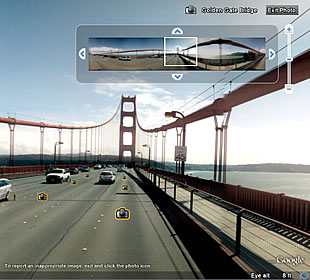
Google's Street View is good for more than just seeing where you're going when you need to find that new Thai place. It can also offer some great images for presentations. I got this idea from Slides that Stick, and today Google released some images from Vancouver in anticipation of the Olympics. Check out the view from the peak of Whistler.
The trick here is to click the link in the upper right that allows you to go to full screen. And then when you've adjusted the frame so it has the picture you want, you can stop moving your mouse to get the lines to disappear. Then hit the Print Scrn button on your keyboard (usually on the top row, right area near the Num Lk key). That makes a copy of your screen to the clipboard and then you can paste it into PowerPoint (or your application of choice) and crop away the unneeded bits.
Not too shabby. What street image do you want to use?
Labels:
google,
images,
tips and tricks
Tuesday, February 09, 2010
I am the Church Whisperer
Have you seen Cesar Millan? He's the "Dog Whisperer" on the National Geographic Channel. On the show he helps people with dogs that are "hopeless" by rehabilitating the dogs and training the people. It's really uncanny to watch Cesar walk up to a dog that has been near wild and just with his presence, calm them down.
What I've learned about being a dog owner for Cesar is huge. Dogs want a pack leader who is calm and assertive. So my job is to provide that calm, assertive influence for my dog, and she is happy and comfortable.
But now I'm thinking more and more about my energy. It's obvious that dog can pick up on the energy of people - they notice a thousand non-verbal cues and can often read us better than we can read ourselves. Body language is huge. The majority of communication happens through body language, but often we can't control it. We can't consciously work on all of the separate things that go into body language. But we can work on our energy, as Cesar calls it. If we are calm and assertive when we step up to preach, that energy will translate into our posture, our gestures, our tone, and everything else we do.
Are you the leader of your pack?
Labels:
Cesar Millan,
presenting,
technique
Monday, February 08, 2010
Who Really Needs to Read This?
I've been thinking a lot lately about the audience of this blog. First of all, thank you. I really appreciate you reading my blog. I hope that what I have to offer is useful to you.
I think that there's a problem with this blog's audience though. Well, not with the audience, but with who is not in the audience. The odds are pretty good that is a preacher is subscribing to blogs about PowerPoint in preaching, that preacher is pretty tech savvy already. But the preachers that really need to learn how to incorporate visuals into their sermons are the ones not checking blogs.
The other group that needs to learn about this stuff is in school right now. College and seminary students who are training to be preachers need to be trained in the technology side of preaching. So much of my training was focused on working with the text (and rightfully so), but I had zero training in using technology and very little training in basic public speaking skills. It's not enough to train young preachers to interpret Scripture, they must be able to communicate.
Do you have any thoughts on spreading the word to the people who really need it?
Friday, February 05, 2010
Call in a Professional
My friend Mark let me know about this company Ethos3 which does some really cool work in presentation design and training.
This brings me to a beef of mine. It seems that most preachers are resistant to seeking help in their craft. They may read a preaching book once a year (if they are among the best preachers around), but most often, there is very little effort put into refining the craft of preaching.
Guess what, preachers. We don't know everything. We can learn something from Steve Jobs or from Toastmasters about how to communicate. And sometimes we need professional help. If you're willing to put money toward training, consider attending a presentation training offered by a company like Ethos3.
This brings me to a beef of mine. It seems that most preachers are resistant to seeking help in their craft. They may read a preaching book once a year (if they are among the best preachers around), but most often, there is very little effort put into refining the craft of preaching.
Guess what, preachers. We don't know everything. We can learn something from Steve Jobs or from Toastmasters about how to communicate. And sometimes we need professional help. If you're willing to put money toward training, consider attending a presentation training offered by a company like Ethos3.
Labels:
graphic design,
PowerPoint,
training
Thursday, February 04, 2010
In Your (type)Face!
Seth Godin points out that the Typeface that you use says a lot about you. He says:
If you send me a flyer with dated, cheesy or overused type, it's like showing up in a leisure suit for a first date. If your website looks like Geocities or some scammy info marketer, I won't even stay long enough to read it.
Ow, that's brutal, but accurate. He goes on to say that you should develop a suite of about four fonts that you use all the time. Seriously. I know it sounds boring, but it will provide a lot of continuity and connection between everything you do.
You should have a title font, a body font, and no more than two accent fonts. I like to use a serif font (one with the lines on the top and bottom of the letters) for the title font and then a san-serif (without serifs) font for the body. Then usually a bold and an italic font for the accents.
What font tips do you have?
If you send me a flyer with dated, cheesy or overused type, it's like showing up in a leisure suit for a first date. If your website looks like Geocities or some scammy info marketer, I won't even stay long enough to read it.
Ow, that's brutal, but accurate. He goes on to say that you should develop a suite of about four fonts that you use all the time. Seriously. I know it sounds boring, but it will provide a lot of continuity and connection between everything you do.
You should have a title font, a body font, and no more than two accent fonts. I like to use a serif font (one with the lines on the top and bottom of the letters) for the title font and then a san-serif (without serifs) font for the body. Then usually a bold and an italic font for the accents.
What font tips do you have?
Labels:
fonts,
seth godin
Wednesday, February 03, 2010
Less is More
I got the video below from Slides that Stick where they point out that often graphic images have the opposite effect from what we want. But we can let the brain fill in the details. We suggest the results instead of spelling it out.
When preaching, sometimes we don't need to show every last detail. Maybe we don't need to play the video clip from "The Passion of the Christ" when preaching about Jesus' crucifixion. Maybe it will be more powerful to suggest through subtle image and poetry.
What do you think?
When preaching, sometimes we don't need to show every last detail. Maybe we don't need to play the video clip from "The Passion of the Christ" when preaching about Jesus' crucifixion. Maybe it will be more powerful to suggest through subtle image and poetry.
What do you think?
Tuesday, February 02, 2010
"I Got You Babe"
Have you ever felt like Bill Murray in "Groundhog Day" when you get up to preach on Sunday morning? If you don't know, Bill Murray finds himself trapped in one day (groundhog day) and unable to escape. Every time he wakes up it's exactly the same day and he's the only one who knows.
Sometimes preaching can feel like this. We're the only ones who seem to be aware of the changes - we keep saying different things and it seems like the church responds the same way every time.
Now I'm saying that sometimes it can feel like this, not that it is actually like this. When we get to the point where it feels like we're spinning our wheels, it might be time to get some distance. Take a break. Take a week off (it's ok, the world won't end). Stay at church but let someone else preach. Mentor younger leaders.
How do you break the cycle? How do you rejuvenate?
Sometimes preaching can feel like this. We're the only ones who seem to be aware of the changes - we keep saying different things and it seems like the church responds the same way every time.
Now I'm saying that sometimes it can feel like this, not that it is actually like this. When we get to the point where it feels like we're spinning our wheels, it might be time to get some distance. Take a break. Take a week off (it's ok, the world won't end). Stay at church but let someone else preach. Mentor younger leaders.
How do you break the cycle? How do you rejuvenate?
Labels:
groundhog day,
sabbatical,
thoughts
Monday, February 01, 2010
Get some inspiration
Lifehacker points out that your friendly neighborhood Microsoft has posted some templates along with instructions about how to re-create all the slides.
I'm not a big fan of just using stock templates, but this file has a neat feature - it explains (in detail) how to recreate everything that they did. This is a feast for learning new techniques that can improve your presentations chops.
Do you have any tips?
Note: you need PowerPoint 2007 and Internet Explorer to make this work.
I'm not a big fan of just using stock templates, but this file has a neat feature - it explains (in detail) how to recreate everything that they did. This is a feast for learning new techniques that can improve your presentations chops.
Do you have any tips?
Note: you need PowerPoint 2007 and Internet Explorer to make this work.
Labels:
PowerPoint,
tips and tricks
Subscribe to:
Posts (Atom)